
Your cart is currently empty!
Customized Strategies for Mature Audiences
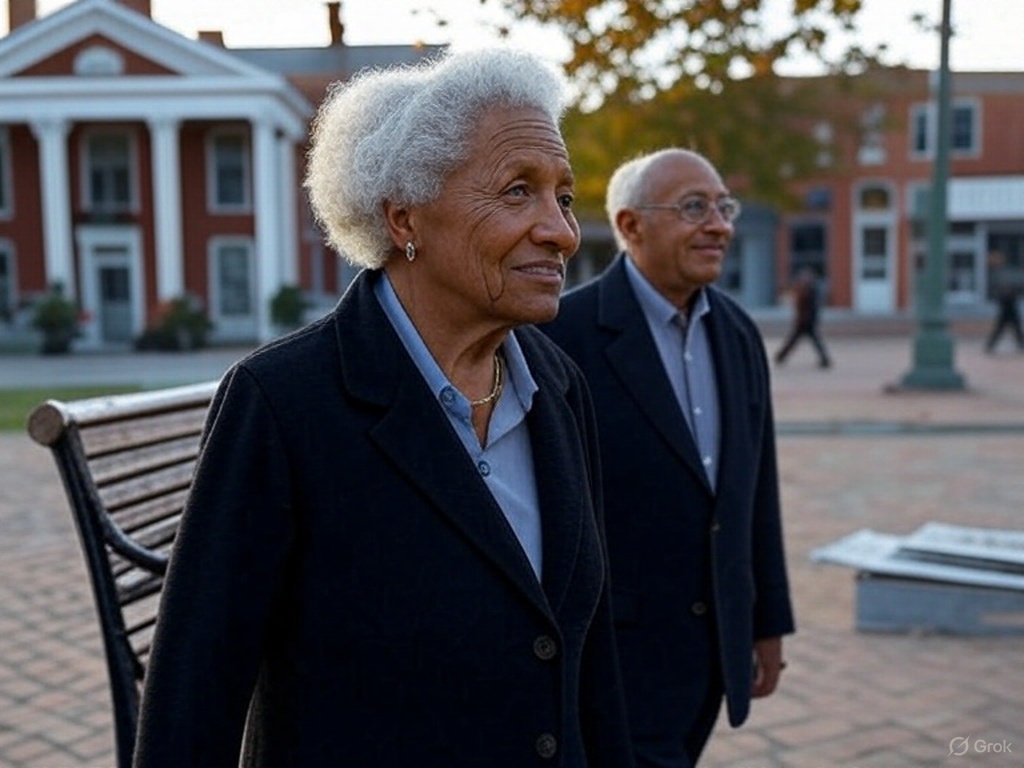



Mastering Connections with the Mature Market
Matura Media is committed to bridging the gap between businesses and the mature market. Our mission is to empower brands to effectively engage with the senior demographic through innovative strategies and values that emphasize respect, inclusivity, and understanding. Our history is rooted in a deep passion for enabling businesses to thrive by connecting with this essential segment, ensuring long-term growth and success.

Harness the Power of Senior Audiences
Explore our expert-driven services designed to engage and delight the mature market.

Social Media Strategy

Traditional Media Planning

Audience Analysis
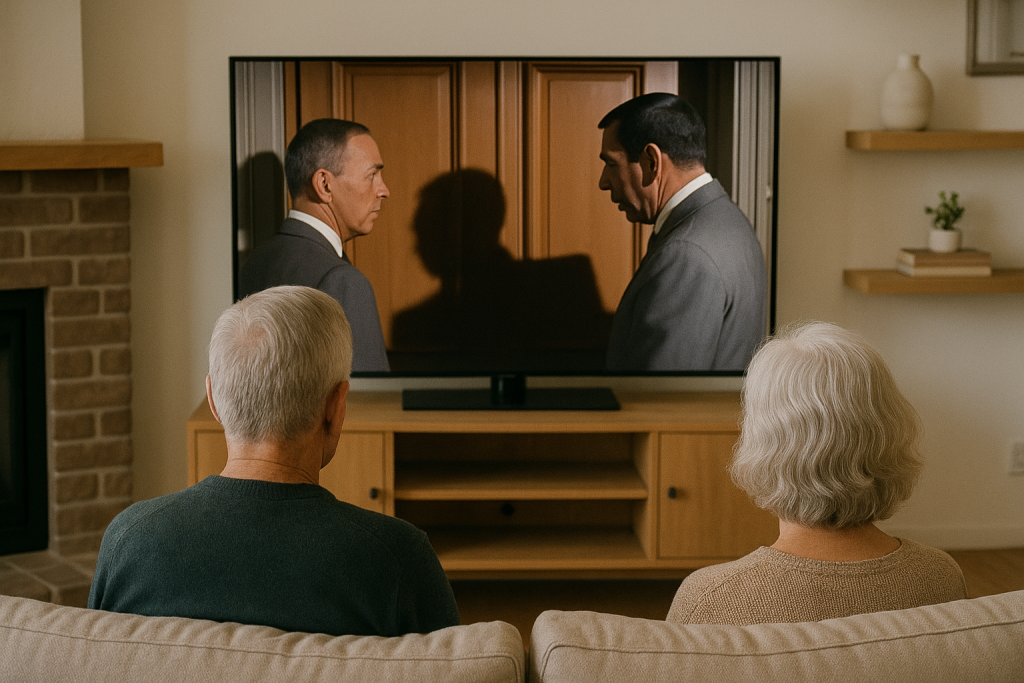
Content Creation
Amplify Your Reach with Matura Media
Here’s what our clients say about partnering with us to engage the mature market effectively.

Susan Lee
Marketing Director
Matura Media helped us connect with seniors in ways we never imagined possible.

David Kim
Business Consultant
Their strategies transformed our approach to communicating with older audiences.

Linda Smith
Senior Advisor
Working with Matura Media has been a fantastic and rewarding journey.
Blog
Explore our collection of articles and resources crafted to engage and inform the mature market segment.
Tailoring Your Marketing Approach for Older Adults
In today’s diverse marketplace, understanding your audience is key to crafting an effective marketing strategy. When it comes to older adults, marketers often overlook the nuances of engaging this demographic. However, adults aged 50 and older represent a significant portion of the consumer base, making it essential to create campaigns that resonate with their unique preferences, values, and lifestyles. Here’s how to tailor your marketing approach to better connect with older adults.
1. Understand Their Values and Priorities Older adults often prioritize relationships, health, financial security, and meaningful experiences. Your marketing messages should reflect these values. Highlight how your product or service can improve their quality of life, foster connections, or offer peace of mind. Avoid using fear-based tactics and instead focus on empowerment and positivity.
2. Use Clear and Direct Communication Simplicity is key when marketing to older adults. Avoid industry jargon, overly complex language, or cluttered designs. Use larger fonts, high-contrast text, and clear visuals to enhance readability. Ensure your messaging is direct and easy to understand while still being respectful and engaging.
3. Leverage the Power of Trust Older adults tend to value trust and authenticity. Build credibility by showcasing customer testimonials, reviews, and case studies. Highlight experience, reliability, and the long-term benefits of your product or service. Avoid exaggerated claims or gimmicky sales tactics, as these can erode trust.
4. Embrace Traditional and Digital Channels While many older adults are tech-savvy, some still prefer traditional communication methods. Balance your strategy by incorporating digital platforms like Facebook and email marketing alongside direct mail, print ads, and television. Make your website user-friendly and mobile-optimized, as many older adults use smartphones to browse and shop online.
5. Focus on Personalization Older adults appreciate personalized experiences. Use data to tailor your marketing efforts to their specific needs and preferences. Whether it’s through personalized email campaigns, curated product recommendations, or targeted ads, showing that you understand their individual needs can go a long way.
6. Avoid Stereotypes It’s important to recognize that older adults are not a monolithic group. Avoid clichés or outdated stereotypes that portray them as frail or technologically inept. Remember that this demographic encompasses a wide range of lifestyles, interests, and abilities. Your messaging should reflect this diversity.
7. Highlight Accessibility Accessibility can be a deciding factor for older adults. Ensure your products, services, and marketing materials are inclusive. This includes offering easy-to-use interfaces, providing customer support, and accommodating physical or sensory limitations wherever possible.
8. Tap Into Nostalgia Nostalgia can be a powerful tool when marketing to older adults. Incorporate references to past decades, music, or cultural milestones that resonate with your target audience. However, be sure to balance nostalgia with modern relevance to keep your messaging fresh and relatable.
9. Showcase Intergenerational Appeal Many older adults maintain close relationships with younger generations, such as their children or grandchildren. Highlight how your product or service can bring families together or be enjoyed across age groups. This not only broadens your appeal but also reinforces the theme of connection.
10. Measure and Adapt Finally, track the success of your campaigns and be prepared to adapt. Older adults are a dynamic demographic, and their preferences may evolve over time. Regularly gather feedback and analyze data to refine your approach and ensure your marketing remains relevant.
Conclusion Tailoring your marketing approach for older adults is not about treating them as a separate audience but rather understanding their unique needs and values. By focusing on trust, clarity, personalization, and accessibility, you can create meaningful connections that drive engagement and loyalty. Remember, older adults are an influential and growing consumer base—investing in strategies to effectively reach them will benefit your brand for years to come.
Tailoring Your Marketing Approach for Older Adults
In today’s diverse marketplace, understanding your audience is key to crafting an effective marketing strategy. When it comes to older adults, marketers often overlook the nuances of engaging this demographic. However, adults aged 50 and older represent a significant portion of the consumer base, making it essential to create campaigns that resonate with their unique preferences, values, and lifestyles. Here’s how to tailor your marketing approach to better connect with older adults.
1. Understand Their Values and Priorities Older adults often prioritize relationships, health, financial security, and meaningful experiences. Your marketing messages should reflect these values. Highlight how your product or service can improve their quality of life, foster connections, or offer peace of mind. Avoid using fear-based tactics and instead focus on empowerment and positivity.
2. Use Clear and Direct Communication Simplicity is key when marketing to older adults. Avoid industry jargon, overly complex language, or cluttered designs. Use larger fonts, high-contrast text, and clear visuals to enhance readability. Ensure your messaging is direct and easy to understand while still being respectful and engaging.
3. Leverage the Power of Trust Older adults tend to value trust and authenticity. Build credibility by showcasing customer testimonials, reviews, and case studies. Highlight experience, reliability, and the long-term benefits of your product or service. Avoid exaggerated claims or gimmicky sales tactics, as these can erode trust.
4. Embrace Traditional and Digital Channels While many older adults are tech-savvy, some still prefer traditional communication methods. Balance your strategy by incorporating digital platforms like Facebook and email marketing alongside direct mail, print ads, and television. Make your website user-friendly and mobile-optimized, as many older adults use smartphones to browse and shop online.
5. Focus on Personalization Older adults appreciate personalized experiences. Use data to tailor your marketing efforts to their specific needs and preferences. Whether it’s through personalized email campaigns, curated product recommendations, or targeted ads, showing that you understand their individual needs can go a long way.
6. Avoid Stereotypes It’s important to recognize that older adults are not a monolithic group. Avoid clichés or outdated stereotypes that portray them as frail or technologically inept. Remember that this demographic encompasses a wide range of lifestyles, interests, and abilities. Your messaging should reflect this diversity.
7. Highlight Accessibility Accessibility can be a deciding factor for older adults. Ensure your products, services, and marketing materials are inclusive. This includes offering easy-to-use interfaces, providing customer support, and accommodating physical or sensory limitations wherever possible.
8. Tap Into Nostalgia Nostalgia can be a powerful tool when marketing to older adults. Incorporate references to past decades, music, or cultural milestones that resonate with your target audience. However, be sure to balance nostalgia with modern relevance to keep your messaging fresh and relatable.
9. Showcase Intergenerational Appeal Many older adults maintain close relationships with younger generations, such as their children or grandchildren. Highlight how your product or service can bring families together or be enjoyed across age groups. This not only broadens your appeal but also reinforces the theme of connection.
10. Measure and Adapt Finally, track the success of your campaigns and be prepared to adapt. Older adults are a dynamic demographic, and their preferences may evolve over time. Regularly gather feedback and analyze data to refine your approach and ensure your marketing remains relevant.
Conclusion Tailoring your marketing approach for older adults is not about treating them as a separate audience but rather understanding their unique needs and values. By focusing on trust, clarity, personalization, and accessibility, you can create meaningful connections that drive engagement and loyalty. Remember, older adults are an influential and growing consumer base—investing in strategies to effectively reach them will benefit your brand for years to come.
Tailoring Your Marketing Approach for Older Adults
In today’s diverse marketplace, understanding your audience is key to crafting an effective marketing strategy. When it comes to older adults, marketers often overlook the nuances of engaging this demographic. However, adults aged 50 and older represent a significant portion of the consumer base, making it essential to create campaigns that resonate with their unique preferences, values, and lifestyles. Here’s how to tailor your marketing approach to better connect with older adults.
1. Understand Their Values and Priorities Older adults often prioritize relationships, health, financial security, and meaningful experiences. Your marketing messages should reflect these values. Highlight how your product or service can improve their quality of life, foster connections, or offer peace of mind. Avoid using fear-based tactics and instead focus on empowerment and positivity.
2. Use Clear and Direct Communication Simplicity is key when marketing to older adults. Avoid industry jargon, overly complex language, or cluttered designs. Use larger fonts, high-contrast text, and clear visuals to enhance readability. Ensure your messaging is direct and easy to understand while still being respectful and engaging.
3. Leverage the Power of Trust Older adults tend to value trust and authenticity. Build credibility by showcasing customer testimonials, reviews, and case studies. Highlight experience, reliability, and the long-term benefits of your product or service. Avoid exaggerated claims or gimmicky sales tactics, as these can erode trust.
4. Embrace Traditional and Digital Channels While many older adults are tech-savvy, some still prefer traditional communication methods. Balance your strategy by incorporating digital platforms like Facebook and email marketing alongside direct mail, print ads, and television. Make your website user-friendly and mobile-optimized, as many older adults use smartphones to browse and shop online.
5. Focus on Personalization Older adults appreciate personalized experiences. Use data to tailor your marketing efforts to their specific needs and preferences. Whether it’s through personalized email campaigns, curated product recommendations, or targeted ads, showing that you understand their individual needs can go a long way.
6. Avoid Stereotypes It’s important to recognize that older adults are not a monolithic group. Avoid clichés or outdated stereotypes that portray them as frail or technologically inept. Remember that this demographic encompasses a wide range of lifestyles, interests, and abilities. Your messaging should reflect this diversity.
7. Highlight Accessibility Accessibility can be a deciding factor for older adults. Ensure your products, services, and marketing materials are inclusive. This includes offering easy-to-use interfaces, providing customer support, and accommodating physical or sensory limitations wherever possible.
8. Tap Into Nostalgia Nostalgia can be a powerful tool when marketing to older adults. Incorporate references to past decades, music, or cultural milestones that resonate with your target audience. However, be sure to balance nostalgia with modern relevance to keep your messaging fresh and relatable.
9. Showcase Intergenerational Appeal Many older adults maintain close relationships with younger generations, such as their children or grandchildren. Highlight how your product or service can bring families together or be enjoyed across age groups. This not only broadens your appeal but also reinforces the theme of connection.
10. Measure and Adapt Finally, track the success of your campaigns and be prepared to adapt. Older adults are a dynamic demographic, and their preferences may evolve over time. Regularly gather feedback and analyze data to refine your approach and ensure your marketing remains relevant.
Conclusion Tailoring your marketing approach for older adults is not about treating them as a separate audience but rather understanding their unique needs and values. By focusing on trust, clarity, personalization, and accessibility, you can create meaningful connections that drive engagement and loyalty. Remember, older adults are an influential and growing consumer base—investing in strategies to effectively reach them will benefit your brand for years to come.
Connecting with the Senior Audience
Take the next step to engage with Matura Media, where we help you unlock the potential of the senior market. Discover the benefits of partnering with us and access our tailored strategies designed to amplify your business success.